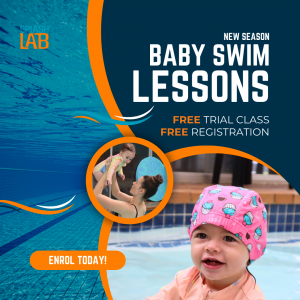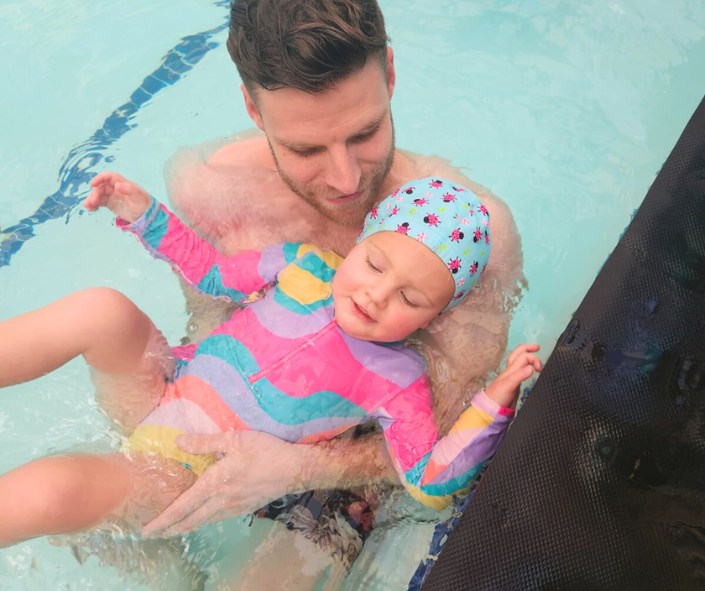

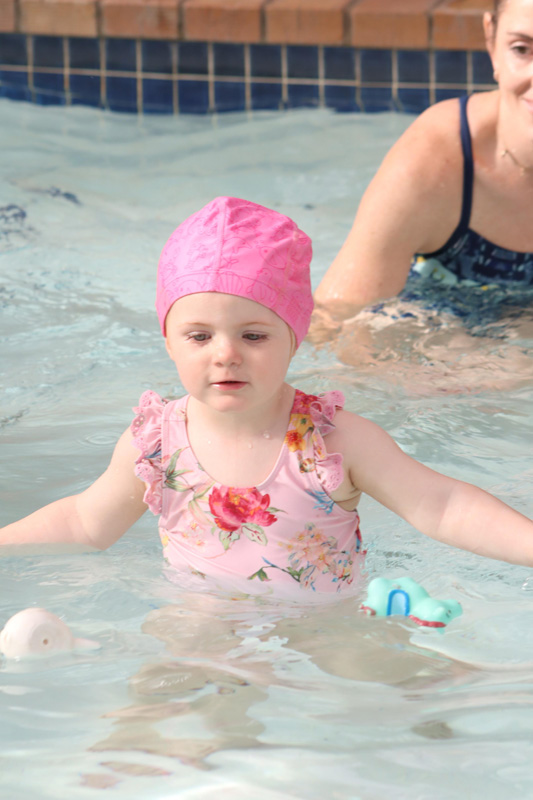


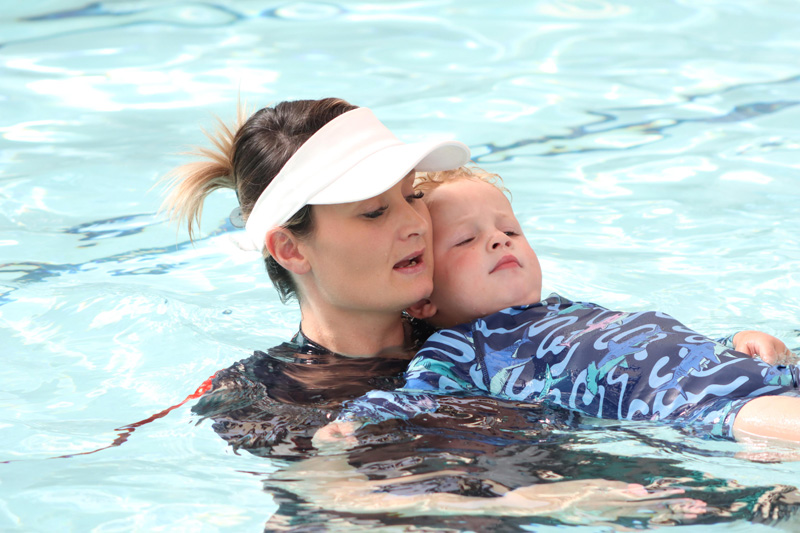

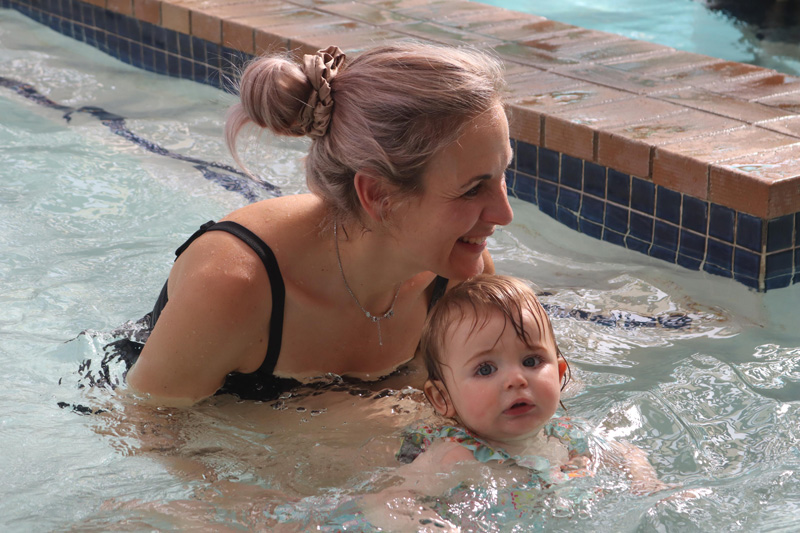


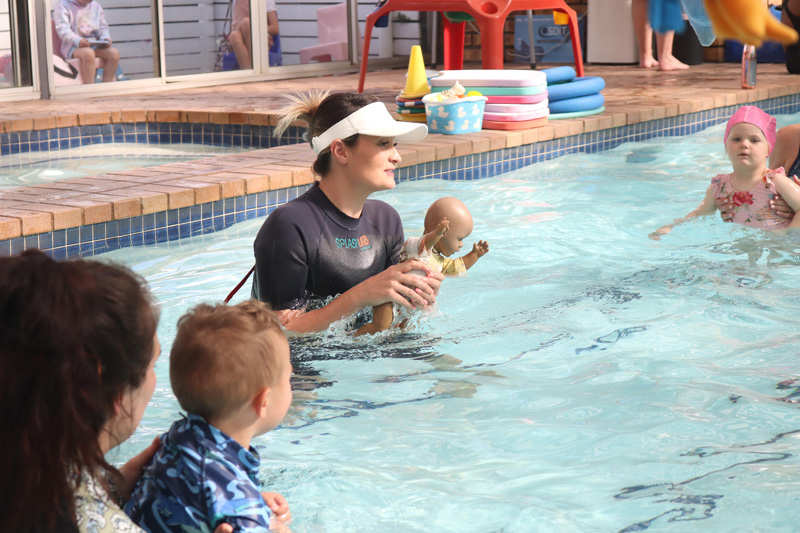

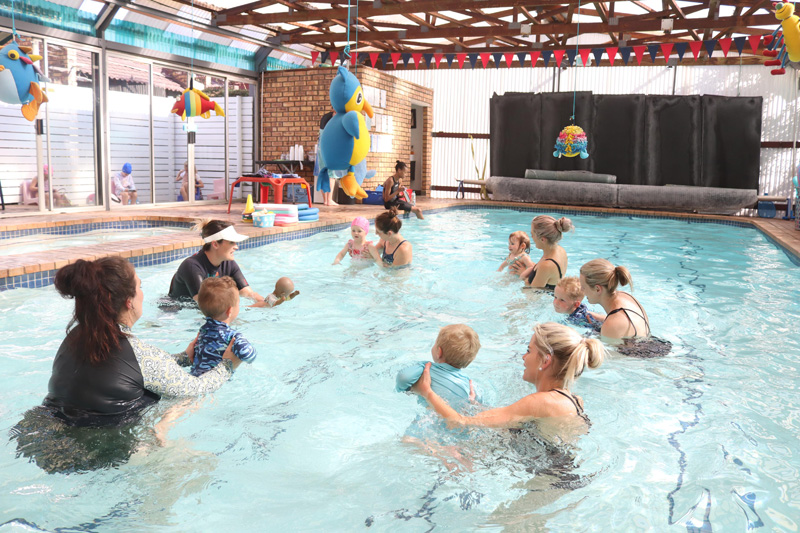

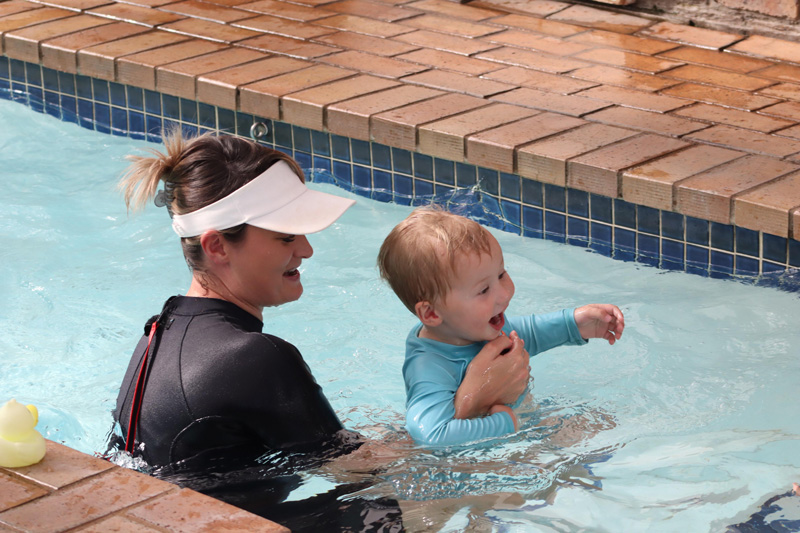
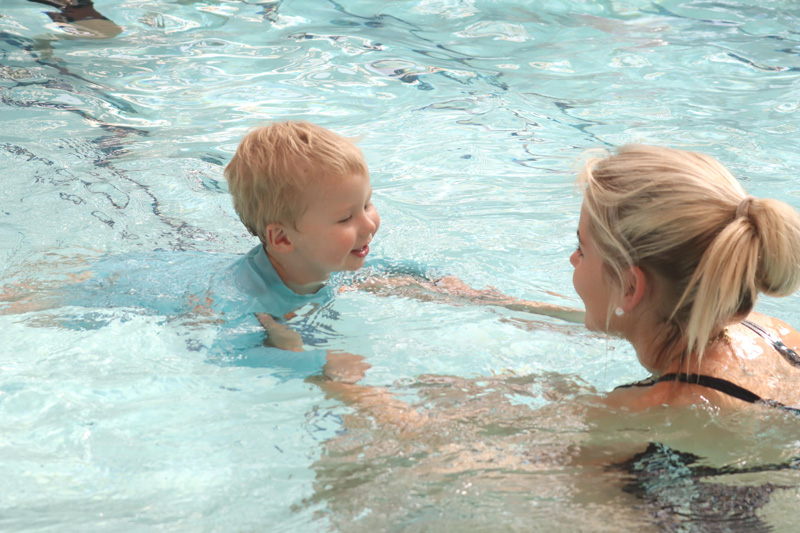

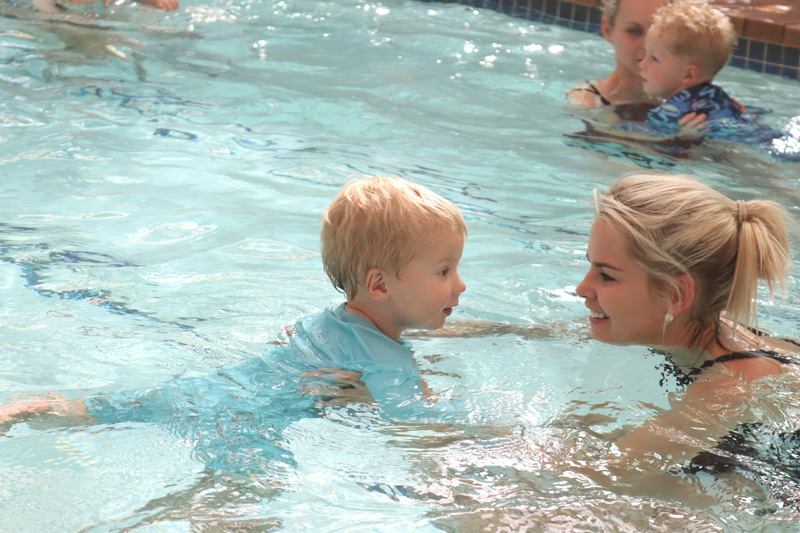
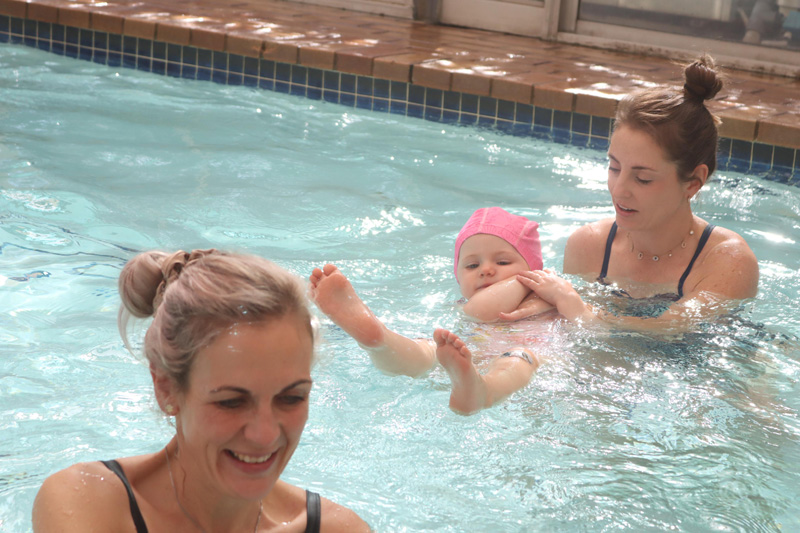


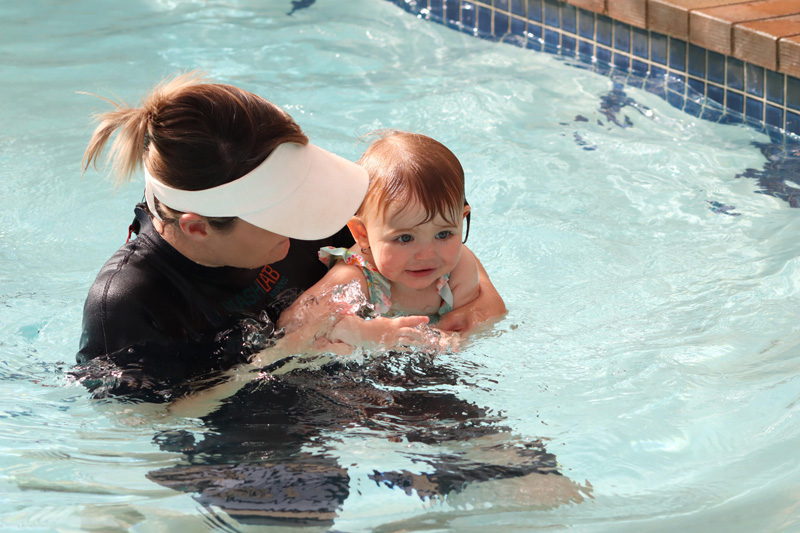
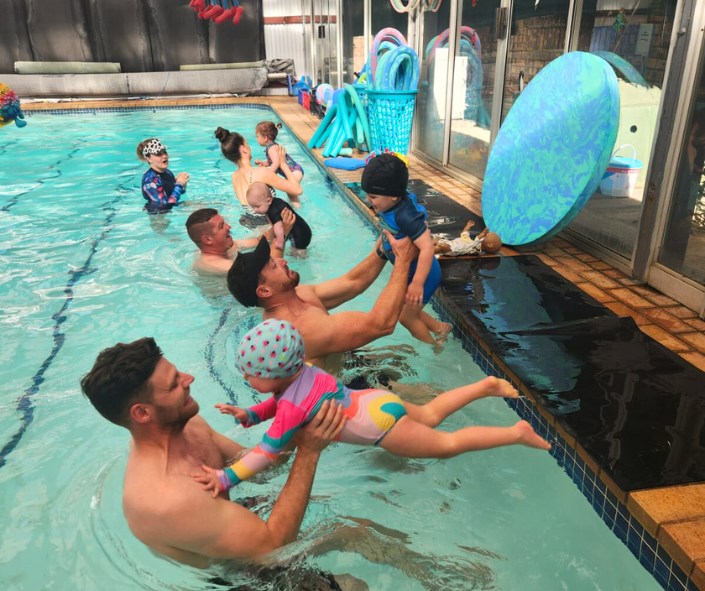
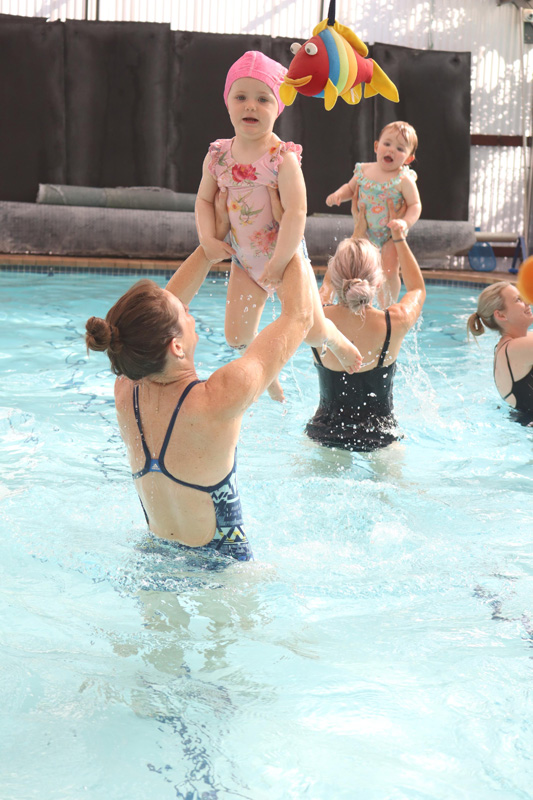

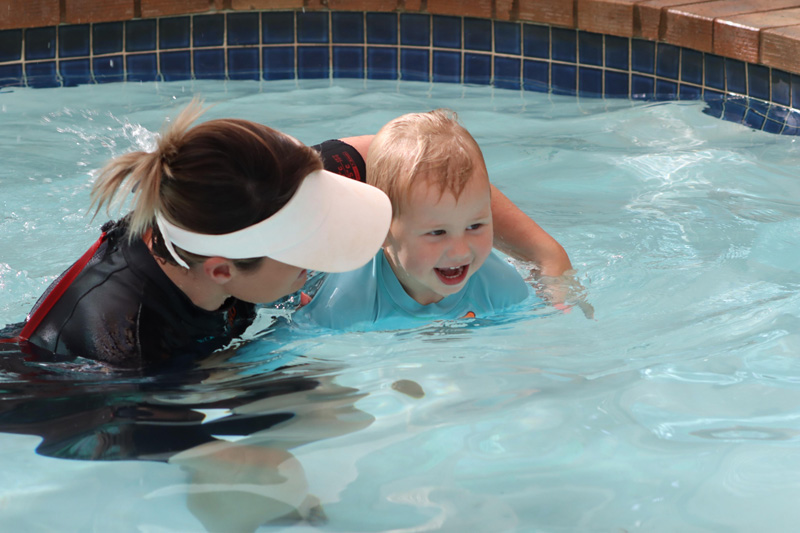
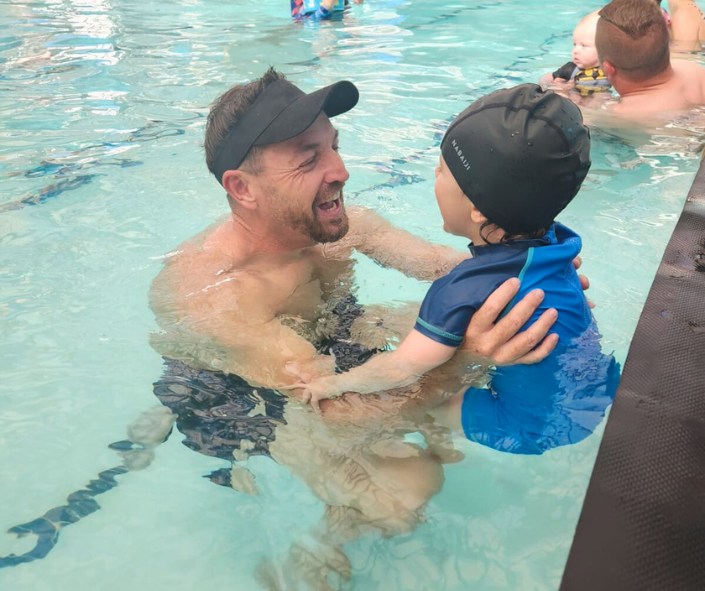
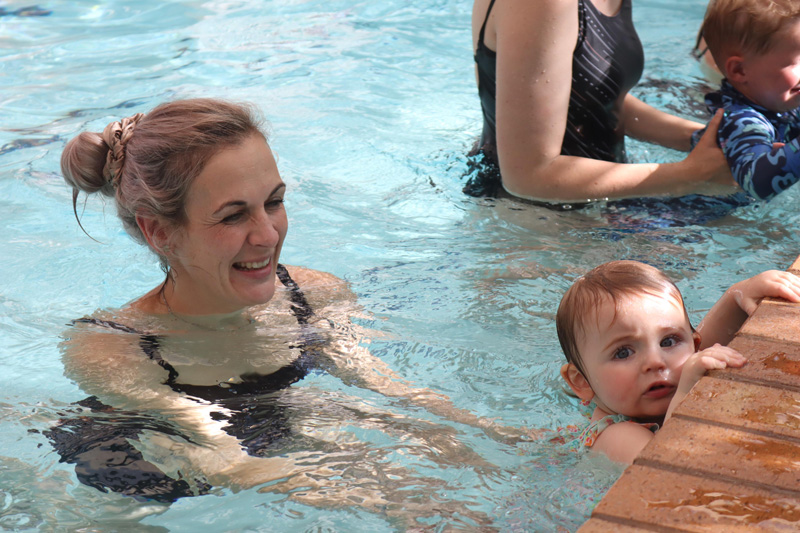
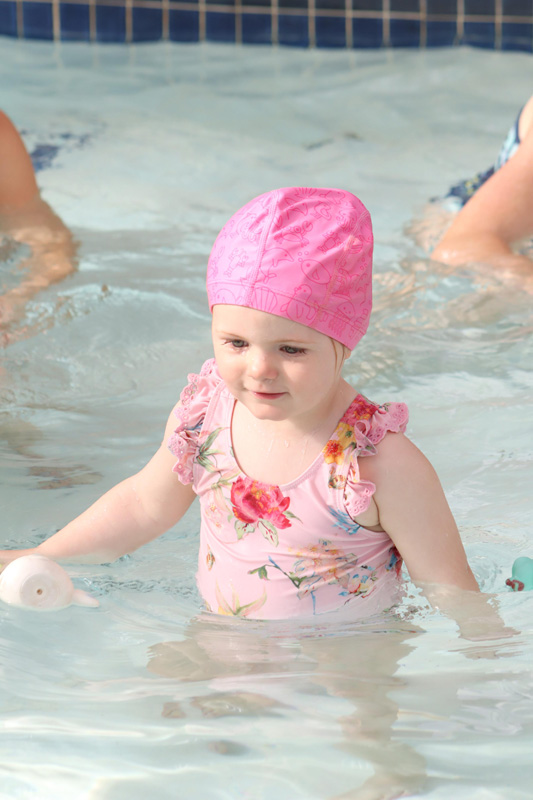


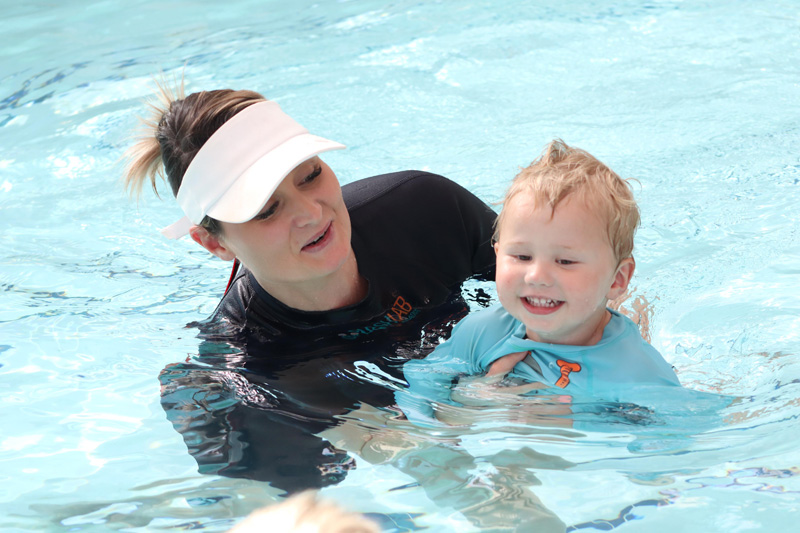

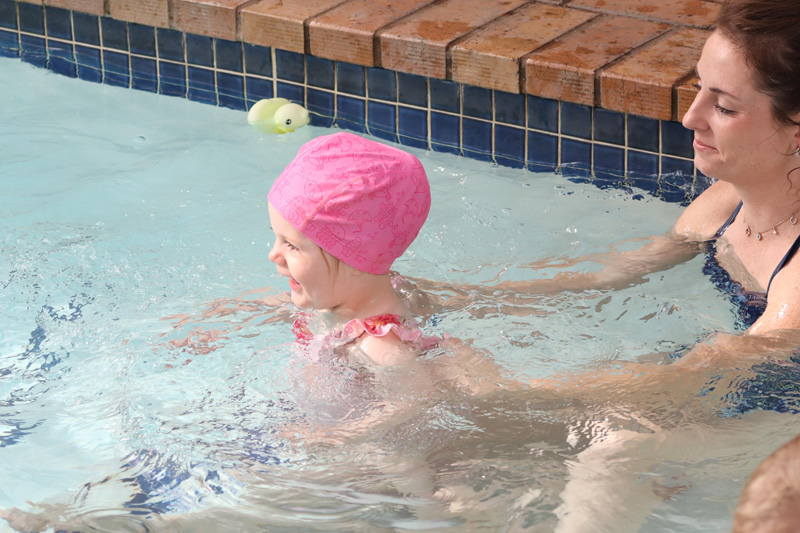


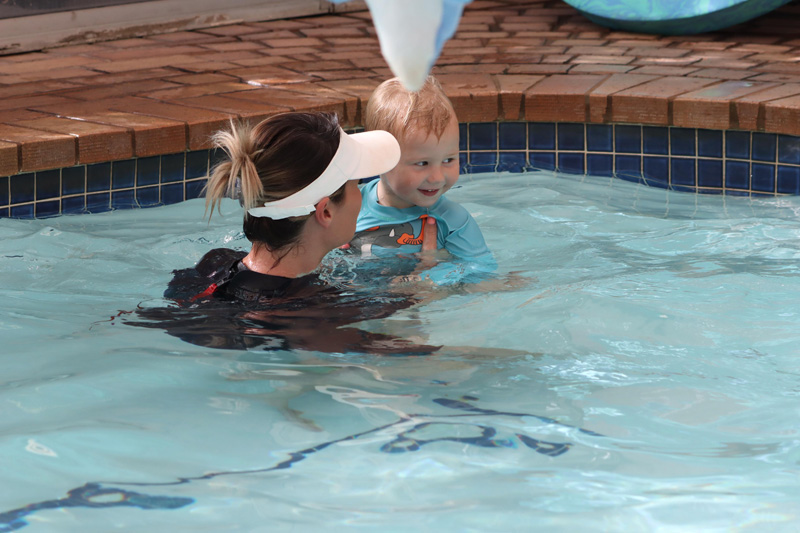

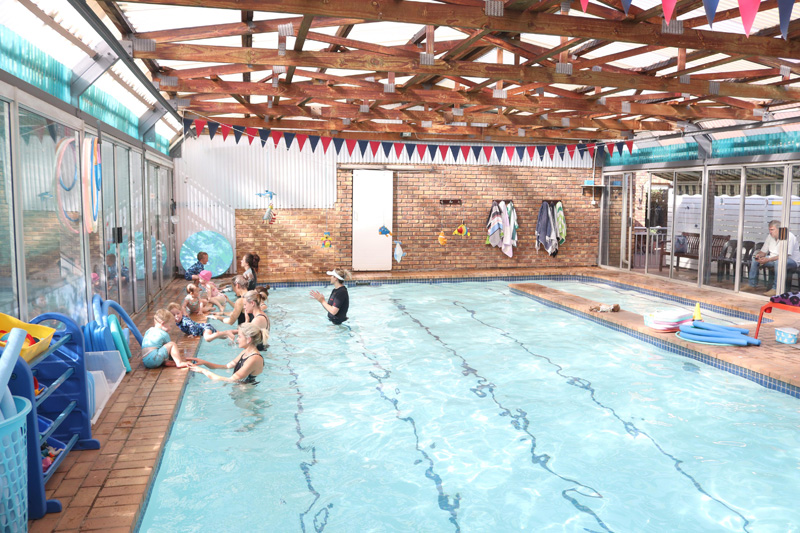
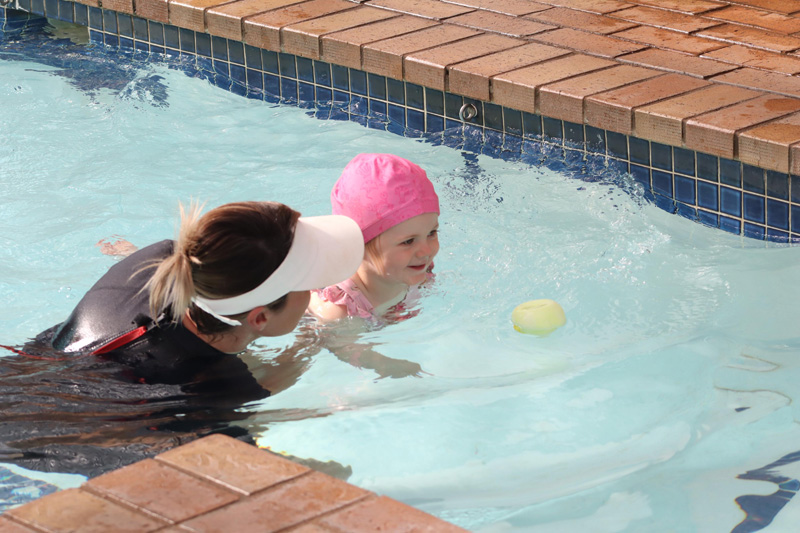
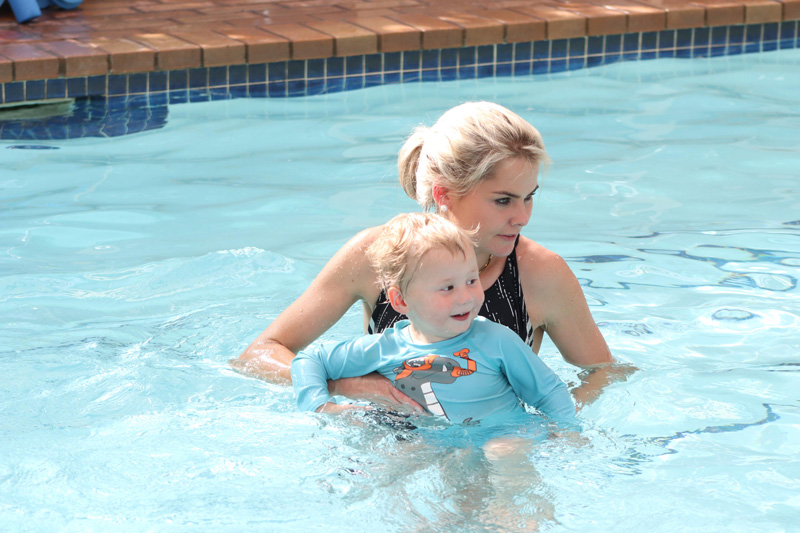
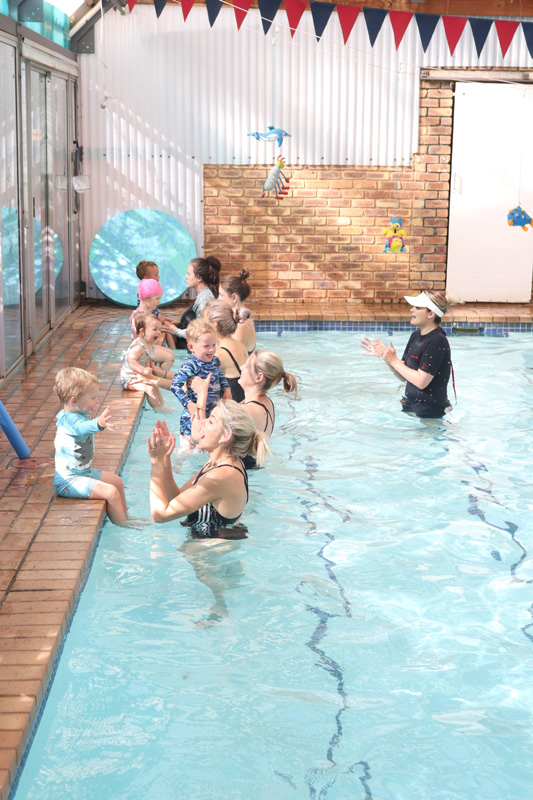

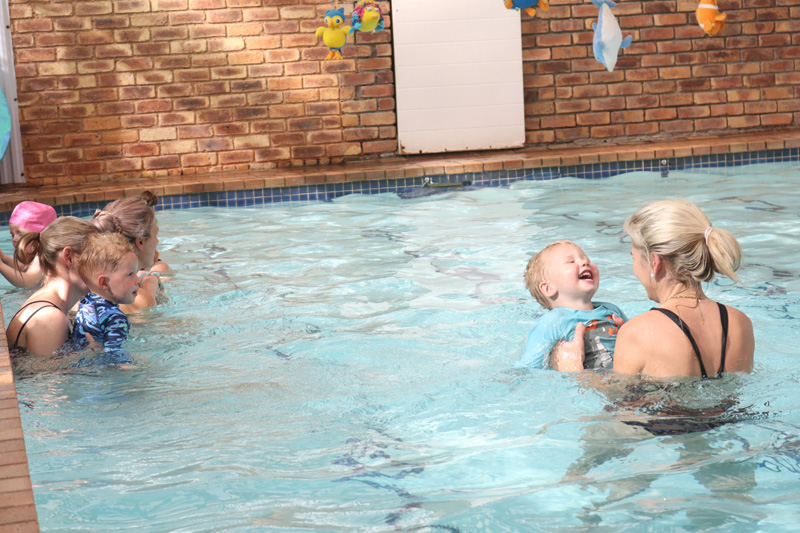
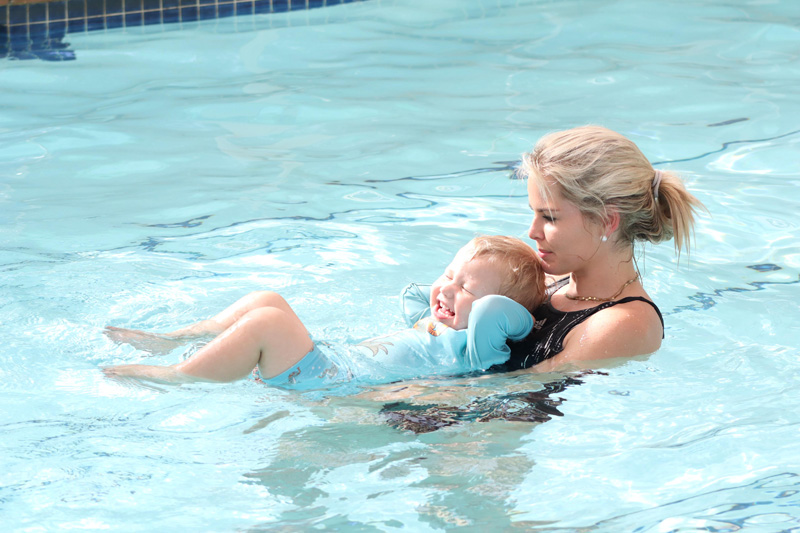
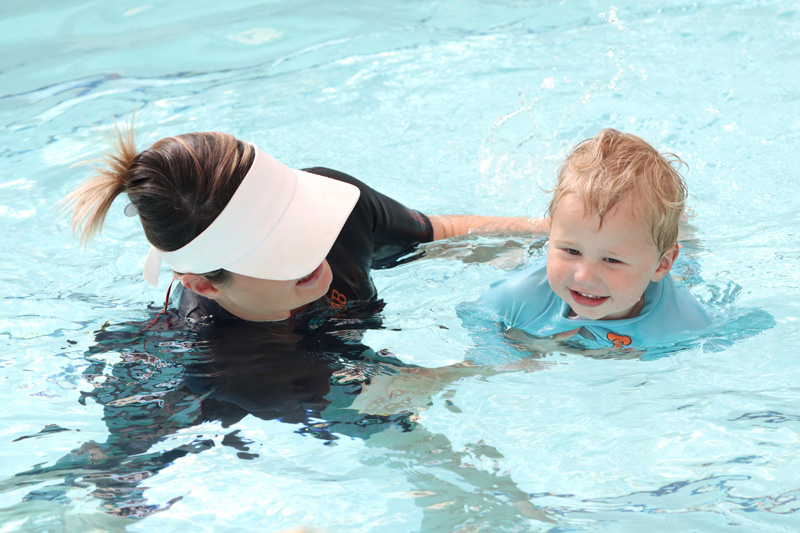
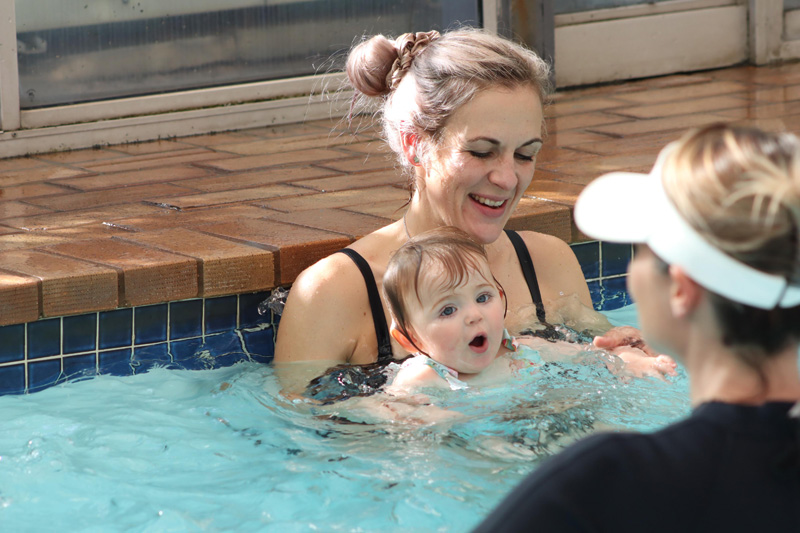
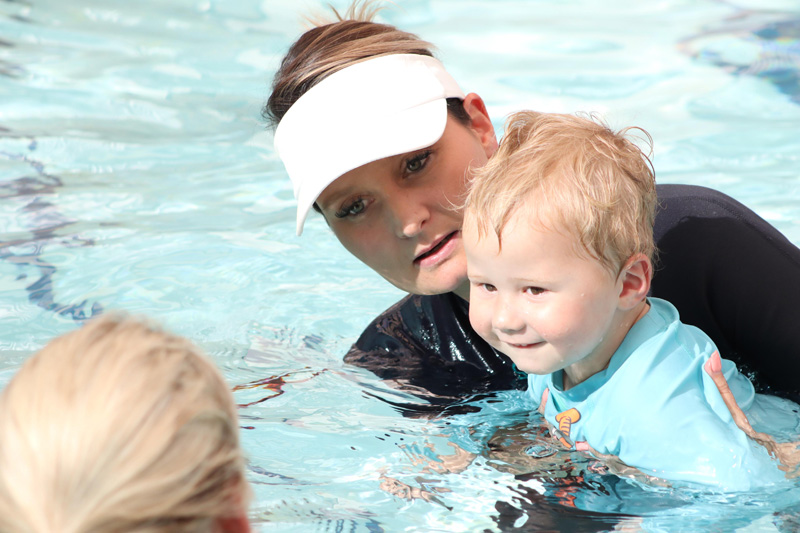
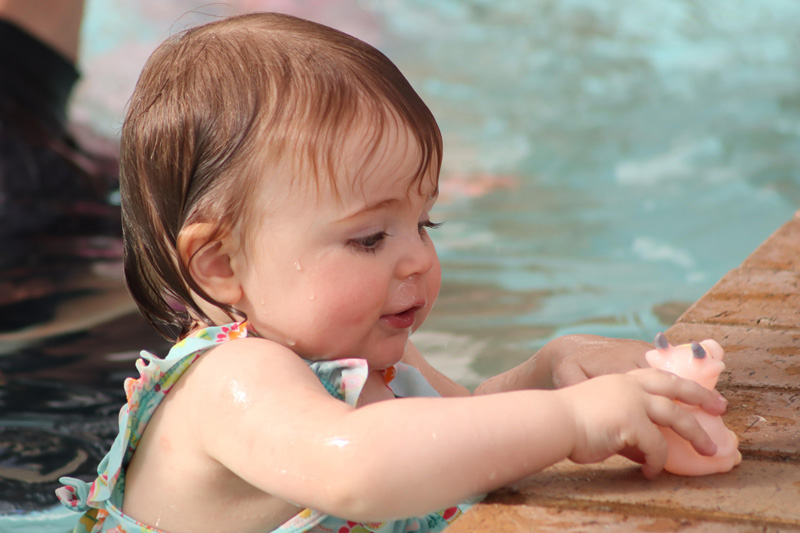
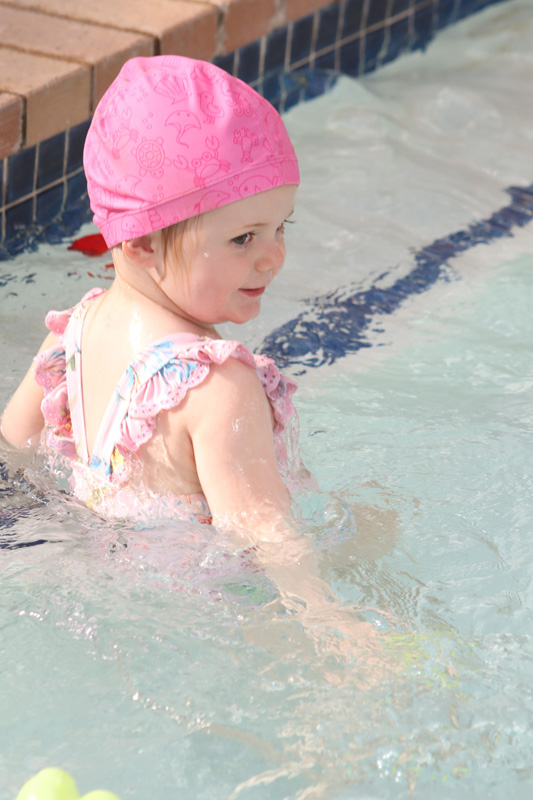
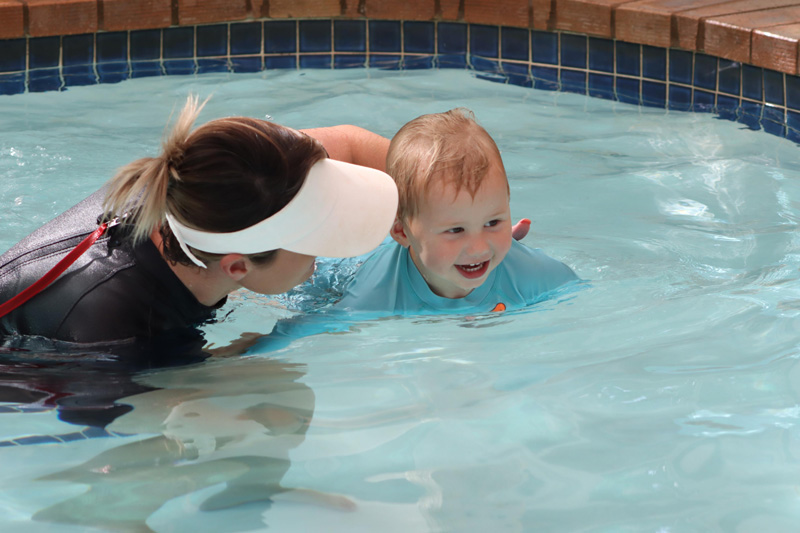
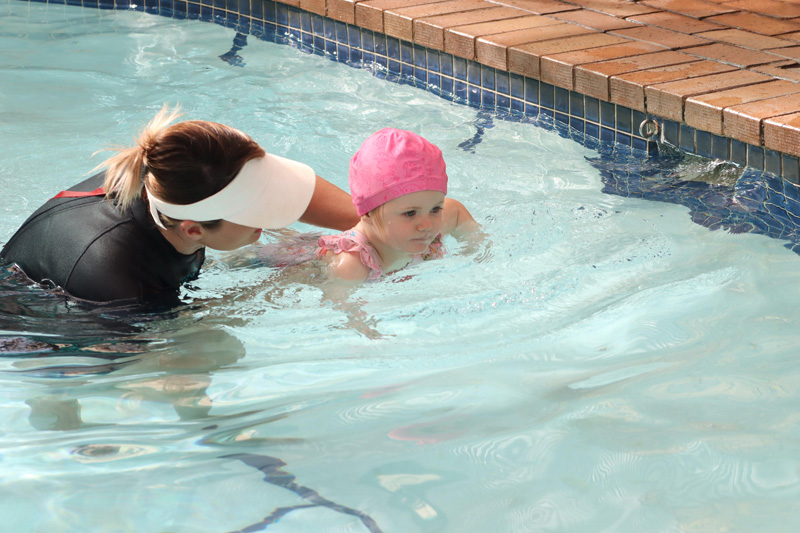
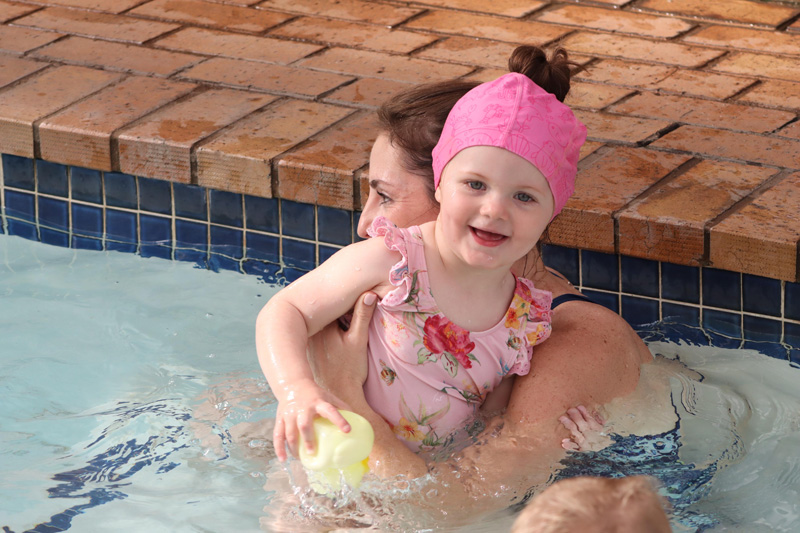

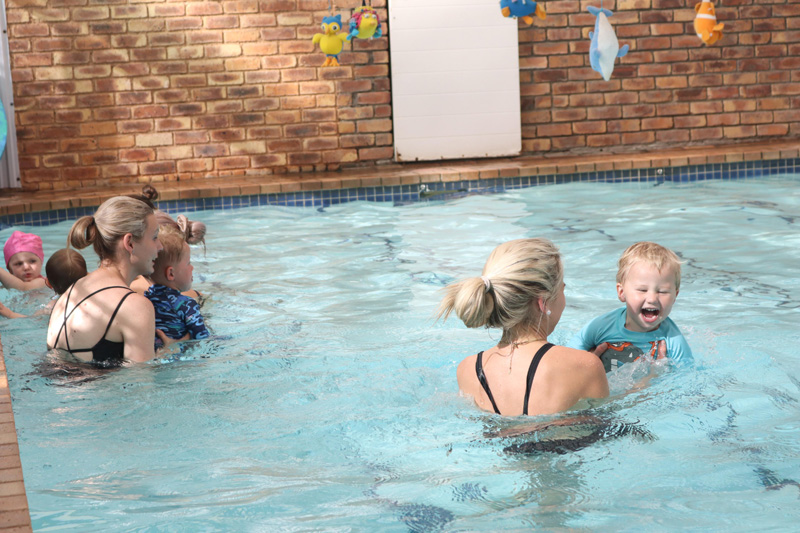
At our swimming lessons, we take a uniquely caring and exciting approach to teaching babies and toddlers how to thrive in the water. We understand that the process of introducing little ones into the World of swimming, while ensuring their safety, is a delicate process. As such, we ensure that our lessons are a fun-filled learning experience, while emphasizing water safety and swimming fundamentals.
In our classes, parents or caregivers join their little ones in the pool, creating a bond that enhances the journey of aquatic discovery. Through a combination of nursery rhymes, songs, and directed play, we engage babies and toddlers in activities that develop their swimming skills. Every game and activity is intentionally designed to foster their love for the water.
By introducing babies as young as 6 months to the world of swimming, we help them transition seamlessly into the World of swimming. This early introduction sets the stage for a harmonious relationship with water, preventing the development of aquaphobia as they grow older.
Join us on this incredible water adventure and give your little ones the best start to their swimming journey. Let’s splash, play, and discover together!
FREQUENTLY ASKED QUESTION
How Often Do You Have Lessons?
We have either once or twice a week options available.
Frequency may be important, but consistency is king. At SplashLab we like to emphasize the importance of regular attendance, as it directly correlates to accelerated learning. The more immersed children are in the swimming enviroment, the quicker they acquire the skills and knowledge necessary for success. However, we firmly believe that even participating in classes once a week increases a child’s abilities compared to not participating at all.
How Long Is Each Lesson?
Each lesson is approximately 30 minutes. Parents can choose between the flexible options of attending once or twice a week classes, taking into account availability and need.
How Long Will It Take For My Child To Learn To Swim?
All children are unique and are at different stages of their development. As such, there really is no easy answer to this question or to master the skill of swimming. Your child’s success lies in attending lessons on a consistent basis, fuelling their progress.
In the same way that progressing through milestones like rolling over, crawling, walking, and speaking at their own pace, swimming falls under this category as well.
Do I Need To Be In The Pool With My Baby/Toddler?
Our Baby/Toddler swimming lessons require a parent or guardian to be in the pool with the child. This not only helps your little one feel secure, it also teaches them that when they approach swimming, they need a caregiver with them.
Getting into the pool with your baby or toddler also creates a great opportunity for you to spend quality time with your child. This often becomes a cherished time to bond, explore, and create unforgettable memories together.
What Is A “Drown Proofed” Child?
It’s important to set out into the swimming journey with realistic expectations. It’s quite important to realise, that there’s no such thing as a “drown proof” individual.
Back floating, although beneficial, does have its limitations. Traditionally, swim schools have adopted forceful, harsh methods in training that can lead to life-long aquaphobia and trauma around swimming. As such, we prefer a much more wholistic approach, with a fun, stress-free learning environment. This method may take slightly longer, however, it’s much more enjoyable for children and parents alike.
It’s essential to understand that drowning can happen to anyone, regardless of their swimming abilities, even including Olympic swimmers and lifeguards. While swimming lessons can aid in preventing drowning incidents, there are no guarantees that anyone can be drown-proof.
Water safety training is of paramount importance. You can further ensure your child’s safety, by enclosing your home pool with a secure fence, locked gate, and a pool safety net. Stay vigilant at all times and remember that drowning can occur silently, even in shallow water. Be cautious around fish ponds and hidden water features. Additionally, don’t leave bathwater or buckets unattended. Always supervise your child near water, regardless of their swimming skills or the presence of lifeguards.
By prioritizing water safety and following these guidelines, you can significantly reduce the risk of any mishaps. Remember, when it comes to water safety, it’s better to be proactive and aware.